
Navigating Global Stakeholder Events: Challenges and Best Practices
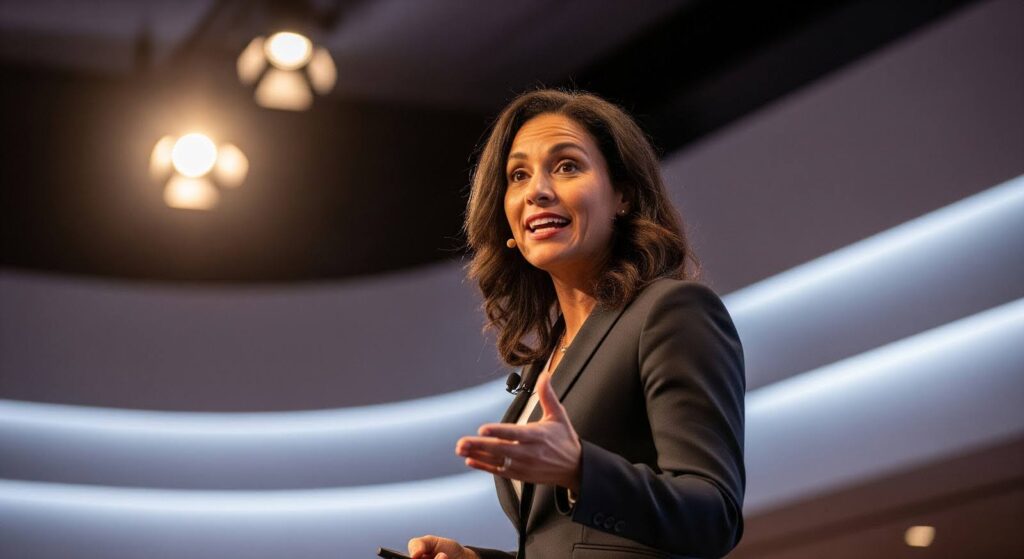
Global stakeholder events have become a core part of how organizations communicate with investors, employees, regulators, and partners. As companies expand across regions, expectations rise. Stakeholders want timely access, clear messaging, and a professional experience that reflects the organization’s standards, regardless of where they are located.
Yet running a global event is rarely straightforward. Time zones stretch agendas. Cultural norms influence how messages are received. Technology must perform flawlessly across borders. Legal and data requirements add another layer of complexity.
So how do organizations deliver global stakeholder events that feel coordinated, secure, and relevant without becoming fragmented or inconsistent?
The answer lies in thoughtful planning, disciplined execution, and a clear framework that balances global alignment with local relevance. Below are the key challenges leaders face, along with best practices that help global events succeed.
Coordination Across Time Zones and Cultures
One of the first realities of global stakeholder events is that no single time works for everyone. When events are scheduled around headquarters convenience alone, parts of the audience are immediately placed at a disadvantage. Over time, that sends a message, even if unintentional.
High-performing organizations design their events around access and fairness. This often includes staggered live sessions across regions, repeat broadcasts hosted by the same leadership team, and structured on-demand availability that still feels intentional rather than secondary. These approaches are especially important for global conference calling and large-scale audio conference formats where participation spans multiple regions.
Cultural considerations matter just as much as timing. Tone, pacing, and formality vary widely by region. A presentation style that feels confident in one market may feel rushed or impersonal in another. Visual choices, slide density, and even how questions are handled can shape how the message is received.
Many organizations strike the right balance by combining centralized planning with regional execution support. Central teams protect consistency and standards, while in-market teams or local partners provide insight into audience expectations and cultural norms. This approach is particularly effective when supported by reliable audio conferencing services that allow teams to scale without sacrificing quality.
Speaker preparation plays a critical role here. Leaders who take time to localize examples, adjust phrasing, and rehearse with cultural context sound more credible. Audiences can tell when a message was built for them, not simply delivered to them.
Finally, global coordination requires early attention to legal and data considerations. Privacy rules, consent requirements, and data residency expectations differ by region. Addressing these elements upfront avoids last-minute constraints and reinforces trust, especially in regulated environments tied closely to stakeholder relations.
Adapting Messaging for Local Relevance Without Losing Consistency
One of the most common challenges in global events is message drift. As content is adapted for local markets, organizations risk losing clarity, alignment, or brand voice within their broader corporate communications strategy.
The most effective approach starts with a clear global message framework. This framework defines the core narrative, key themes, and outcomes that must remain consistent across all regions. From there, local teams can insert market-specific context, data points, or examples without altering the foundation.
Localization is not just translation. It is a structured workflow that includes translation, regional review, and central approval. Clear timelines and shared glossaries help preserve tone and intent while allowing speed. When this process is defined in advance, teams move faster and with more confidence, particularly across complex client engagement initiatives.
Visual choices also deserve careful consideration. Imagery, color use, and examples should feel relevant without becoming exclusionary. What resonates in one region may not translate elsewhere. Consistency builds recognition, but relevance builds connection, a critical balance for long-term stakeholder engagement.
Measurement should reflect this balance as well. Global metrics such as attendance and replay views provide scale. Local metrics such as engagement during Q&A, regional feedback, and follow-up actions provide insight. When leaders review both together, patterns become clear and future events improve.
Some organizations strengthen this process by documenting successful local adaptations. These internal examples become templates that guide future events and reduce friction over time.
Technology Strategies That Support Reliability and Security
Technology is often invisible when it works well and impossible to ignore when it does not. In global stakeholder events, reliability is not a feature. It is an expectation.
A strong technical strategy starts with redundancy. Multi-encoder setups, secondary internet connections, and standby streams ensure continuity if something fails. These safeguards may never be noticed by attendees, but they protect credibility in critical moments. This level of planning is essential for corporate webcasting and high-profile webcasting solutions delivered at scale.
Access control is equally important. Secure registration, tokenized links, and role-based permissions ensure that the right people are in the right rooms. This is especially important for investor events, executive briefings, and sensitive communications delivered through operator-assisted conference calls or secure webcast environments.
Data protection extends beyond access. Encryption, defined retention policies, and audit logging support both compliance and trust. Stakeholders expect organizations to treat their information with care, particularly during high-profile events that rely on modern business communication solutions.
Testing is where confidence is built. Dress rehearsals, load testing, and pre-event checks allow teams to identify issues early. When leaders step into a live global event knowing systems have been tested under pressure, it shows.
Vendor selection ties all of this together. Organizations benefit from partners with proven global reach, low latency performance, clear service commitments, and regional support. The right partner does more than provide technology. They reduce risk through full-service event production capabilities and experienced global teams.
Bringing It All Together for Future Events
Global stakeholder events are no longer occasional milestones, and for many organizations, they are now a regular and visible extension of leadership, strategy, and governance. Each event shapes how stakeholders perceive the organization’s clarity, preparedness, and credibility.
What distinguishes effective global events is not scale alone, but intention. When scheduling reflects fairness across regions, stakeholders feel acknowledged. When messaging is structured yet locally relevant, audiences stay engaged without losing sight of the broader narrative. When technology performs reliably and securely, attention stays where it belongs, on the message rather than the mechanics.
These outcomes do not happen by chance. They are the result of early planning, disciplined execution, and teams that understand the complexity of global communications across audio conferencing, webcasting, and integrated corporate communications environments.
As organizations look ahead to future investor updates, employee communications, and global briefings, the opportunity is clear. Events can move beyond information sharing and become moments that reinforce alignment, transparency, and leadership presence across regions.
If your organization is preparing for upcoming stakeholder events or re-evaluating how global communications are delivered, Evolve Stakeholder Relations can help. Our team works alongside organizations as a trusted digital event specialist, delivering secure, scalable, and reliable solutions that support meaningful stakeholder engagement.
To discuss how EvolveSR can support your next stakeholder event, reach out to our team to start the conversation.